
Emirates Boarding Music: The Sonic Watermark That Helped Build Dubai
Most sonic branding is built to sell one specific thing. Occasionally a piece of music slips that leash completely and starts standing in for an entire place. The Emirates boarding music is the clearest example we know of.
Our creative head John Smeddle set the argument out this week for Little Black Book, and it is worth making here too. A single composition arguably did as much for Dubai as any campaign the city has ever run.
Why the Emirates boarding music is a watermark, not a jingle
The distinction matters. A jingle lives inside an ad break, whereas this music was deliberately pushed everywhere else: online, across broadcast media, in every country the airline served. Consequently it stopped belonging to the cabin at all.
It also pulls off something genuinely difficult. The piece evokes excitement and calmness at the same time, which happens to be exactly the emotional pairing a long-haul passenger needs, and exactly the one a city selling itself as the future would choose.
So it became a watermark for an emirate that presented itself as a glimpse of what was coming, and more importantly as a place where things simply work. For anyone still sceptical that sound can move a brand from awareness to loyalty to something closer to belonging, this is the proof, and it happened faster and far more cheaply than the decades it took Nike or Apple.
What brand tribalism actually means
Ask an AI to define brand tribalism and you get something like this: when consumers develop a strong emotional connection to a brand, identifying in a way that resembles group loyalty.
Fine, if you are an accountant. However it misses the flesh and blood kinship that the real thing produces.
John offers a better metaphor. Picture a brand as a person with two good friends who have never met. That person knows both of them well enough to suspect they would get along, so makes the introduction. Now the two are inseparable.
The dry definition looks at tribalism through one end of the telescope. The metaphor looks through the other, because it starts with the human condition rather than the marketing objective.
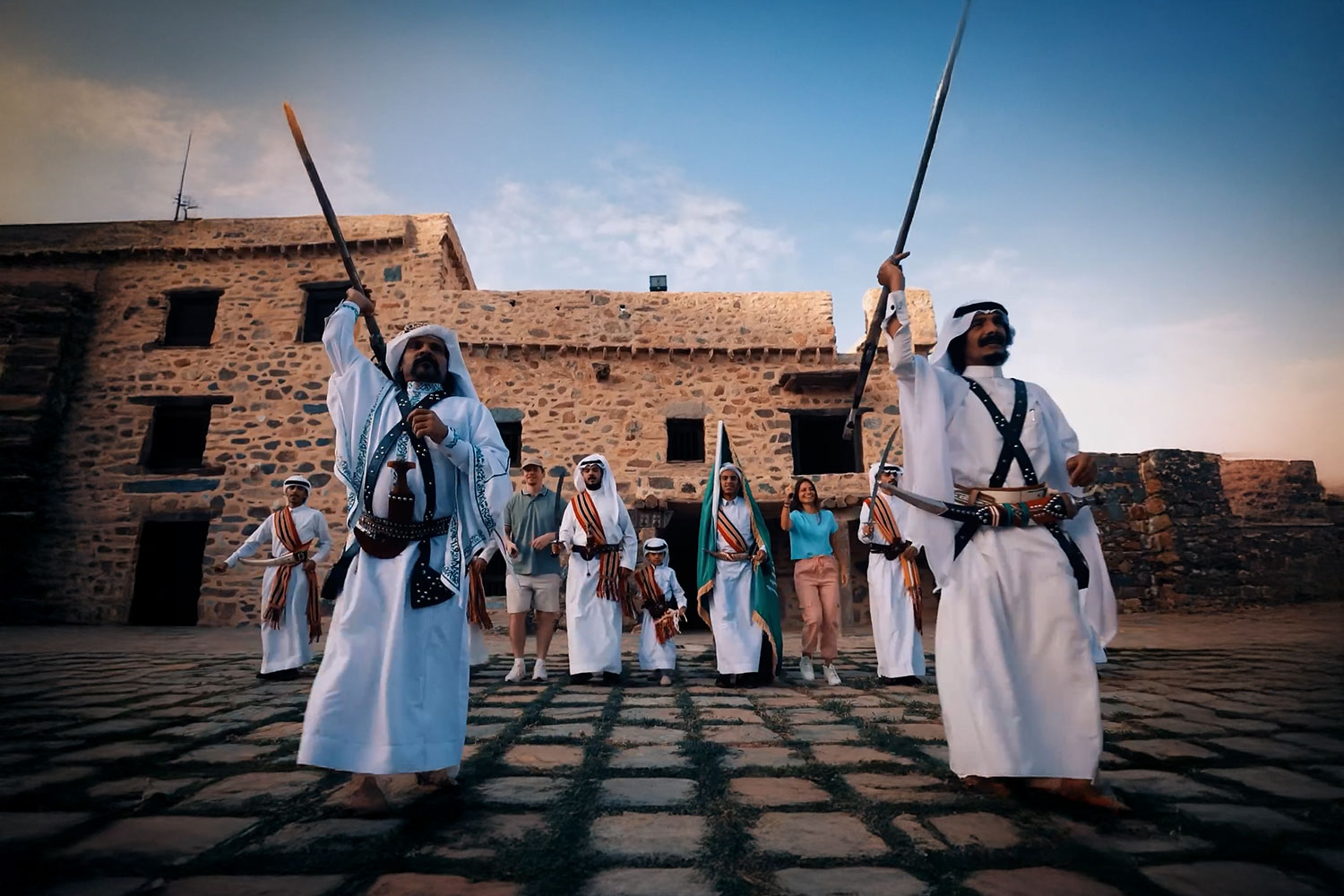
A sonic identity built at national scale, part of the WithFeeling portfolio.
View case study ↗The departure lounge, 2016
Here is the story that makes the case better than any framework can.
A neurosurgeon from Tokyo and a fruit farmer from South Africa had nothing obvious in common. Nevertheless they ended up sharing a coffee in a DXB departure lounge, newly introduced, entirely unaware that a piece of sonic branding had drawn them both to the same airline and the same terminal.
They married. Today they have two children, she lectures on the ageing process in South Africa, and he works with the Kyoto Prefecture on sustainability in agricultural spraying.
Multiply that by the thousands of quieter versions and the picture sharpens. Sound does not only make people feel something about a brand. Occasionally it puts like-minded strangers in the same room.
It even worked on the agency
In 2014 Leo Burnett Dubai pitched for the Emirates business and won it, largely on one idea: that the airline is a mirror image of Dubai, reflecting the optimism of the city state. Building on that, the team proposed that the joy of travelling begins long before the journey does.
The insight arrived in a taxi. One of the pitch team was heading to work, watching Downtown Dubai slide past the window, listening to an Emirates radio ad wrapped in that same boarding music. By the time the taxi arrived, he knew how to win the account.
Notably, the music did not only persuade passengers. It persuaded the people whose entire job is to be immune to persuasion.
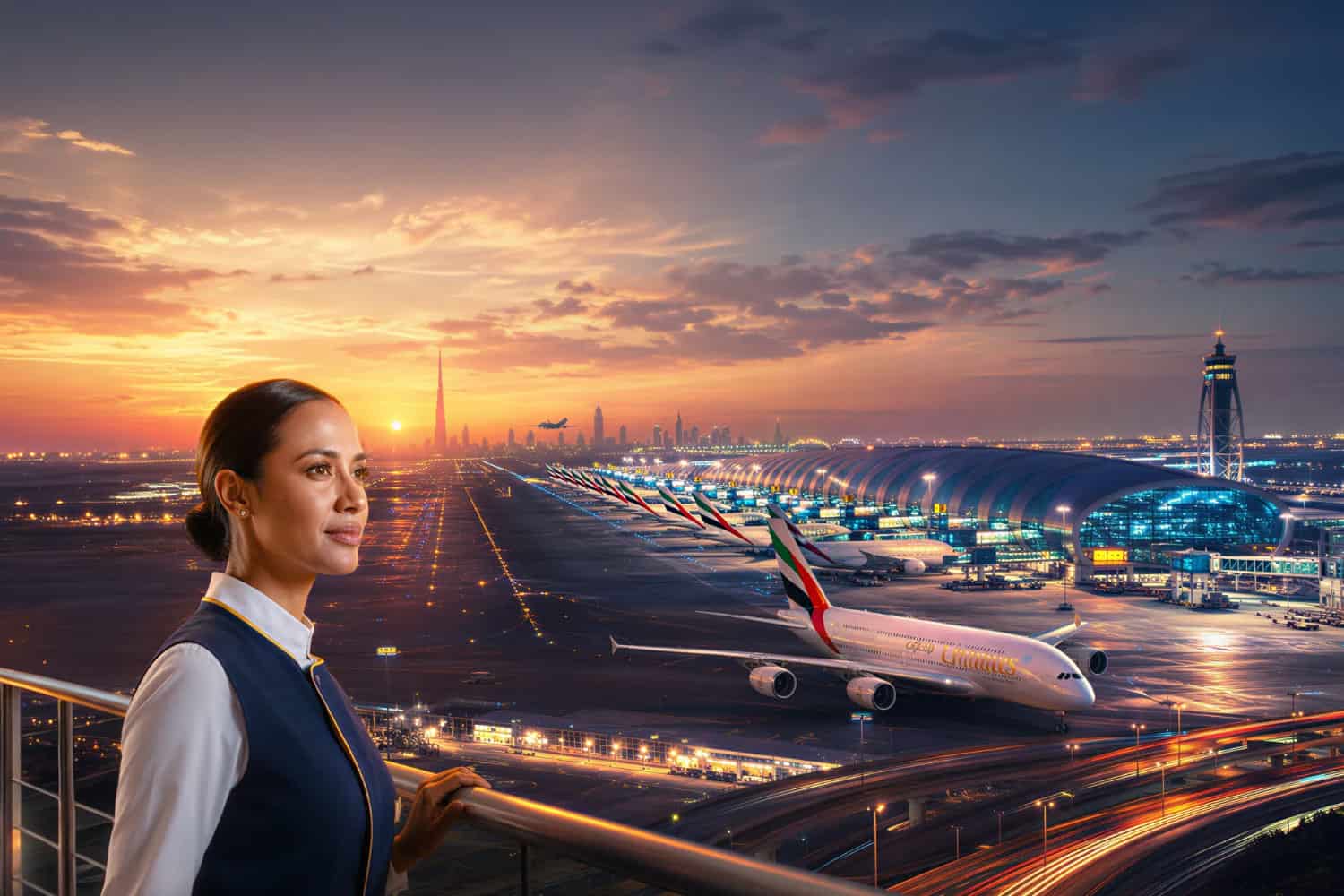
Our sound work for the world’s busiest international airport.
View case study ↗And a ten minute piece of music
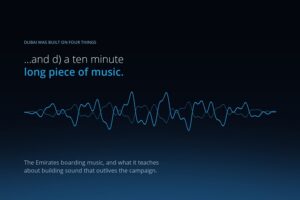
In time, once the analysis catches up, Dubai will likely be described as having been built on a leadership vision that invited entrepreneurs from everywhere, an economic and geographic hub model, and a digital epicentre for innovation.
And on a ten minute long piece of music.
What this means if you are building a brand
To be clear, the Emirates boarding music is not our work. We have worked with the airline on other campaigns, and that composition belongs to its own history. The point of studying it is not to claim it.
The lesson is about ambition. Most sonic branding briefs ask for something that will work inside an ad. Very few ask for something that might still be doing work fifteen years later, in a departure lounge, on behalf of a country. Crucially, the second brief costs roughly what the first one does.
If you want to hear what that scale of thinking sounds like when it is built deliberately from the start, our sonic identity for the Ministry of Tourism of Saudi Arabia is the closest parallel we have.
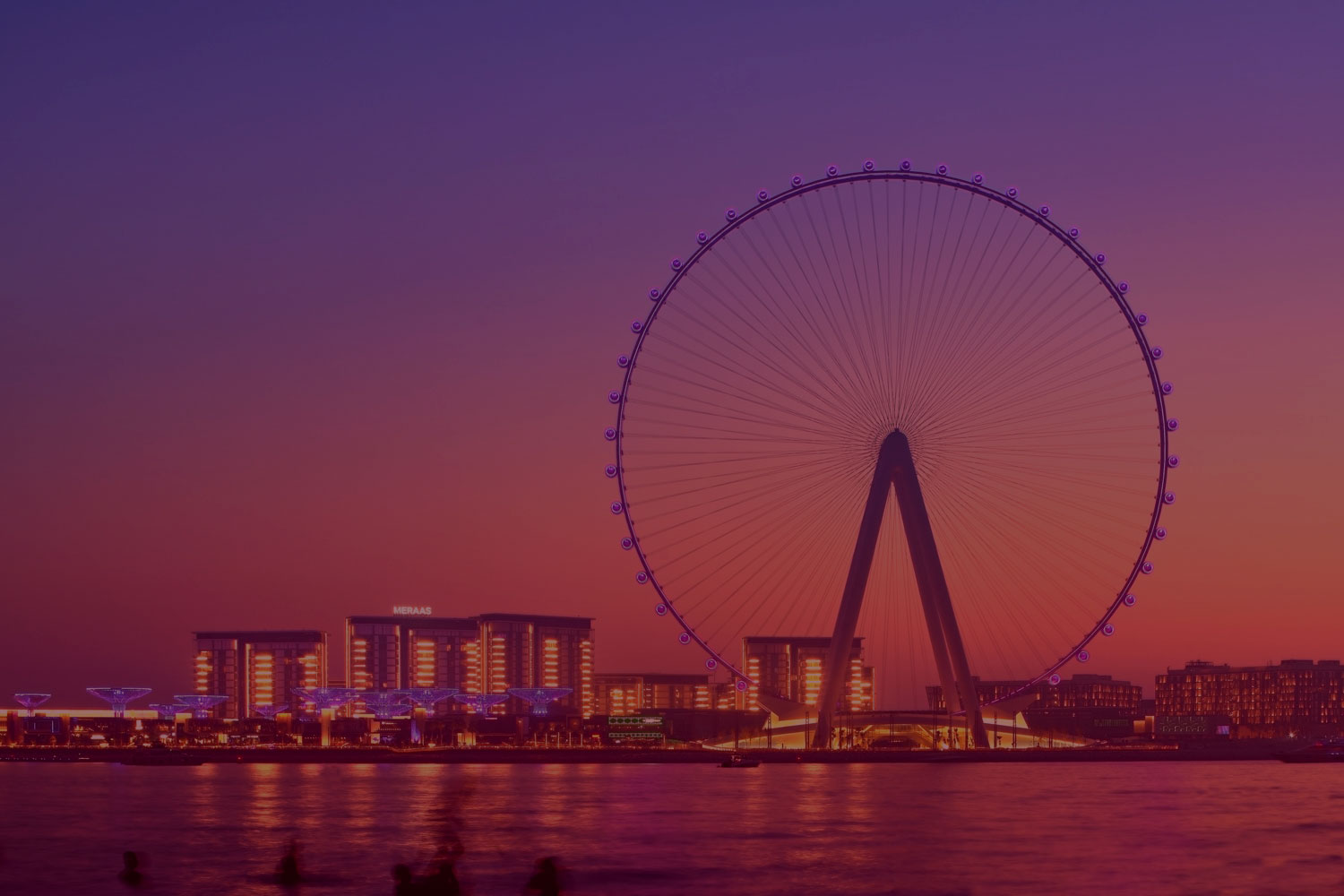
Music and sound for a Dubai landmark, part of the WithFeeling portfolio.
View case study ↗You can read John’s original article on Little Black Book.
ALL YOU NEED IS LOVE… AND OUR NEWSLETTER.